y YESTERDAY IS STILL TODAY- MUSIC HEALING Jan., ’26/’62 
 How to Use a Beautiful Song for Healing(with a little help from
 the Beatles and Buddy Holly)

 There are moments in life when words
 are not
 enough, and yet silence feels too empty. That’s when a beautiful song can step in and quietly hold us together.
 Long before people talked about “music therapy,” listeners were already using songs to mend broken hearts, calm anxious minds,
  and make sense of their own story. If you look at artists like the Beatles or Buddy Holly and the Crickets, you can see how deeply healing music can be—and how simple it is to invite that same healing into your own daily life.
Why certain songs feel like medicine Not every song feels healing, even if it’s catchy. Healing songs tend to have a few simple qualities: emotional honesty, a memorable melody, and a sense of human connection. Think about a song like the Beatles’ “Let It Be.” The chords are simple, the lyrics are gentle, and the message is one of acceptance and quiet faith: “There will be an answer, let it be.” It doesn’t try to fix your life; it just keeps you company while you breathe through it.
Buddy Holly and the Crickets brought a different kind of healing. Their songs often held the bright, hopeful energy of young love and possibility—music you could dance to, cry to, or drive to with the windows down. Under the surface of the rock ’n’ roll beat, there’s a comforting reminder that life keeps moving, and so can you. Rhythm itself can be healing when your nervous system is jangled, a steady beat can give your body something to entrain to, like a heartbeat you can trust. *************************************A HEARTBEAT YOU CAN TRUST


When you find a song that feels like “home,” your body often knows before your mind does. You might feel your shoulders drop, your breathing slow, or tears appear from nowhere. That’s healing at work.
Creating a small ritual with a song One of the most powerful ways to use music for healing is to build a simple personal ritual around a single song. It doesn’t need to be dramatic or complicated. In fact, the more ordinary it is, the better it can slip into your daily life.
You might choose a Beatles song that always steadies you, or a Buddy Holly track that reminds you of resilience and lightness. Or you might choose a new piece of music that seems to hold your feelings without judgment. Once you’ve chosen the song, try this:
- Find a quiet place where you won’t be interrupted for three to five minutes.
- Put your phone on Do Not Disturb, except for the music player.
- Before you press play, set a clear intention: for example, “This is three minutes just to feel what I feel,” or “For this song, I give myself permission to rest.”
Then simply listen. No multitasking, no scrolling, no “shoulds.” Let the lyrics and melody move through you. If memories come up, let them come. If nothing special happens, that’s fine too. The healing is often in the simple act of giving yourself a protected time and space, with the song as your companion.
Listening with your whole body Many people think of music as something they process with their ears and mind, but healing listening involves the whole body. When you listen to a song that touches you, notice what happens physically.
Do certain harmonies give you goosebumps, like the stacked vocals the Beatles were so famous for? Does a certain guitar tone—like Buddy Holly’s clean, bright Stratocaster sound—seem to vibrate in your chest? Do you feel your jaw unclench, or your hands soften?
Try putting one hand on your heart and one on your belly while you listen. Breathe slowly and let the song “massage” your inner space. You’re not analyzing the music; you’re letting it wash through you like warm water. This kind of embodied listening can ease tension and help you feel more grounded, even if you can’t explain why.
Letting lyrics speak for you One of the secret powers of songs is that they say what we can’t always say ourselves. When Paul McCartney sings “When I find myself in times of trouble,” it gives your own “times of trouble” permission to exist. When Buddy Holly sings about longing or heartache, he’s giving shape and rhythm to feelings that otherwise might sit inside you as a vague heaviness.
You can deepen the healing effect by consciously using the lyrics. For example:
- Pick a line that really resonates with you and write it down in a journal.
- Underneath it, write a few sentences about what that line means in your own life right now.
- Let the song become a kind of mirror, reflecting something true that you needed help seeing.
In this way, you’re not just passively consuming music; you’re in a kind of quiet dialogue with it. The song speaks, you respond, and slowly a deeper understanding of your own feelings begins to emerge.
Returning to the same song over time The Beatles’ music means different things to people depending on when they hear it in their lives. The same is true of Buddy Holly. A song you danced to as a teenager might become a kind of anchor during a difficult adult season. Healing with music isn’t just about one moment—it can be about returning to the same song many times and letting it travel with you through different chapters.
You might create a small playlist of “healing songs” that you return to often: perhaps a Beatles track that comforts you, a Buddy Holly song that lifts your energy, and a newer piece of music that feels like a gentle hand on your shoulder. Over time, your body starts to recognize these songs as signals of safety. When one of them comes on, your system knows, “I’m allowed to relax now.”
This is why certain songs can make us cry within seconds: they carry a whole history of previous times they helped us survive.
Let music be a companion, not a cure It’s important to remember that music doesn’t have to “fix” you to be healing. The Beatles never promised that one song would solve your life; Buddy Holly didn’t claim a three‑minute track would erase grief. What they offered instead was presence—something honest, melodic, and human to share the road with you.
When you use music for healing, try to release the idea that you must feel “better” by the end of the song. Instead, ask a gentler question: “Do I feel more accompanied? Do I feel a little less alone in this moment?” If the answer is yes, the song has already done its work. WORDS of LOVE
***What Makes “Let It Be” So Meaningful in the Lives of So Many? Jan. 10, ’26
Some songs arrive like visitors in our lives; others take up permanent residence. “Let It Be” by the Beatles is one of those rare songs that seems to move in and stay. Decades after it was written, people still turn to it in moments of grief, confusion, and change. What is it about this song that touches so many hearts, across ages and cultures, and keeps feeling relevant no matter what’s happening in the world?
A song born out of real struggle
Part of the power of “Let It Be” lies in where it came from. Paul McCartney has said that the song was inspired by a dream of his mother, Mary, who died when he was a teenager. In the dream, she appeared to him during a stressful period in his life, saying, “It will be all right, just let it be.” That origin matters, because we can feel the authenticity behind the words. This isn’t abstract philosophy; it’s a message of comfort from someone he loved and lost.
When listeners learn this backstory, the line “Mother Mary comes to me, speaking words of wisdom, let it be” takes on an intimate, human quality. Even if we interpret “Mother Mary” in a spiritual or religious sense, we can still hear the voice of someone kind and wise, stepping into our troubled minds with a simple, soothing instruction. The song carries the emotional weight of a real family story, and that makes its comfort feel earned, not manufactured.
Simple words for complicated feelings
Another reason “Let It Be” is so meaningful is its language. The lyrics are incredibly simple. There are no clever metaphors or dense poetic twists. Lines like “When I find myself in times of trouble” and “In my hour of darkness” speak in straightforward, everyday words. Ironically, this simplicity is what makes the song able to hold complicated feelings.
People rarely think in poetry when they’re really suffering; their inner voice sounds more like, “I’m overwhelmed” or “I don’t know what to do.” The language of “Let It Be” mirrors that. It doesn’t judge or lecture; it just acknowledges the difficulty: there is trouble, there is darkness, there is broken heartedness in the world. By not rushing too quickly to a “solution,” the song validates the listener’s experience first.
Then, the refrain “Let it be” offers a gentle shift—not a command to fight, fix, or escape, but an invitation to soften around what is happening. For many people, that’s exactly what they need: permission to stop struggling for a moment and simply breathe.
A melody that feels like a blessing
If the lyrics are the mind of the song, the melody is its heart. “Let It Be” uses a simple, hymn‑like melodic line that’s easy to remember and easy to sing along with. It doesn’t show off. Instead, it moves in a stepwise, reassuring way, almost like someone walking beside you at a calm, steady pace.
The chorus lifts slightly higher than the verse, giving a sense of rising above the trouble for a moment. The phrase “Let it be” repeats, but never in a harsh or demanding way; it feels more like a soothing mantra. Many listeners describe feeling their shoulders relax or their breathing slow when the chorus comes back around. It has the shape of a blessing: it rises, opens, and settles gently, leaving behind a sense of acceptance and peace.
This melodic simplicity also means the song can be covered in many styles—piano, guitar, choirs, even solo voices in quiet rooms—and still retain its emotional effect. That flexibility has helped it travel across generations and musical tastes.
Harmony that balances sorrow and hope
Harmonically, “Let It Be” walks a delicate line between sadness and optimism. The chords are mostly straightforward, but there’s a subtle blend of major and minor flavors that keeps the song from feeling either too dark or too cheerful. This balance is important. If the song were purely major and upbeat, it might feel like it was minimizing the listener’s pain. If it were all minor and gloomy, it might deepen despair instead of easing it.
Instead, the harmony feels like a voice that can sit with your sadness while still believing in light. When the chorus arrives, the music leans toward a more resolved, major sound, giving the sense that even though life is complicated, there’s a deeper stability underneath. For listeners, this creates a feeling that “Yes, things are hard, but I’m held by something steady.”
Acceptance without giving up
The phrase “let it be” can be misunderstood as passivity or surrender in a negative sense, but the song doesn’t carry that energy. It doesn’t say “give up” or “stop caring.” It suggests something more subtle: allowing what we cannot control, while trusting that some kind of answer or meaning will emerge in its own time. “There will be an answer, let it be” is not a promise that everything will instantly improve; it is a reminder that life is larger than our current confusion.
This nuance is why so many people turn to the song in times of grief, illness, or major transition. It doesn’t try to convince them that everything is fine when it clearly isn’t. Instead, it offers a way to live inside the not‑knowing. For many, that’s deeply healing: being allowed to lean into acceptance, without losing hope.
A shared song for private pain
“Let It Be” is also meaningful because it operates on two levels at once: it feels intensely personal, yet it has become a communal anthem. People play it at funerals, memorials, and vigils; they sing it alone in their cars or while washing dishes at the end of a hard day. Each listener brings their own story—lost parents, broken relationships, health struggles, world events—and the song seems to make space for all of it.
When a song like this is shared, it quietly tells us, “You’re not the only one who feels this.” Knowing that millions of others have wept or found comfort to the same melody creates a sense of invisible community. We may never meet those people, but we’re connected through this piece of music. That shared experience can make our own burdens feel a little lighter.
A companion that grows with us
Over time, “Let It Be” can become a kind of lifelong companion. Someone might first hear it as a teenager and feel it as a gentle reassurance. Later, in midlife, it may take on new depth when they face loss or burnout. In old age, the song can become almost like a wise old friend, reminding them to trust the flow of life, even as their own story approaches its closing chapters.
The song doesn’t change, but we do, and as we change, different lines and moments in the music speak to us in new ways. That evolving relationship is a hallmark of a truly meaningful song. It doesn’t lock us into one fixed emotion; it meets us wherever we are and offers a slightly different kind of comfort each time.
> When I listen to “Let It Be,” I hear more than a classic Beatles song. I hear a quiet invitation to breathe, to soften my grip on what I can’t control, and to trust that some deeper wisdom is at work, even when I can’t see it. That’s why, all these years later, the song still feels like a friend I can turn to whenever I need a little musical healing.
If you’d like-
***WHOLE LOTTA RIPOFF!’ Historical Context of Appropriation in American Music Jan. 2, ’26 by Bri
The history of American popular music is deeply intertwined with African American innovation, from spirituals and work songs during slavery to the emergence of blues, jazz, ragtime, and rock ‘n’ roll in the early 20th century. These genres originated in Black communities, often as expressions of resilience, pain, and cultural identity amid systemic racism and segregation. However, from the 1920s onward, white-dominated music industries—record labels, promoters, and radio stations—systematically appropriated these styles, repackaging them for white audiences while marginalizing or exploiting the original creators. This wasn’t mere inspiration; it involved economic theft, lack of credit, and cultural erasure, where Black artists were often paid flat fees without royalties, denied airplay on mainstream (white) radio, and overshadowed by white “covers” that became hits. Many scholars and historians describe this as “whitewashing,” where Black music was sanitized of its raw, racial context to make it palatable and profitable for white consumers.
This pattern persisted through the 1960s and beyond, influencing rock, pop, and even hip-hop precursors, with ongoing debates about whether it’s outright exploitation or cultural exchange.
In the 1920s, the recording industry introduced “race records”—a segregated category for Black artists marketed exclusively to Black audiences via labels like Okeh and Paramount. These imprints captured legends like Bessie Smith, Big Bill Broonzy, and Louis Armstrong, but white executives profited immensely while paying artists minimal sums, often without publishing rights. As white interest grew, labels shifted to promoting white performers who mimicked Black styles, creating a dual market where Black innovation fueled white success.
By the 1950s, this evolved into rock ‘n’ roll, a genre born from Black rhythm and blues (R&B) but popularized by white stars amid Jim Crow laws that barred Black artists from white venues and media.
Critics argue this appropriation reinforced racial hierarchies: Black music was deemed “sleazy” or “primitive” until whites adopted it, stripping it of its Black roots.
Defenders, however, point to mutual influences—Black artists drawing from European folk traditions—and note that some white musicians, like the Beatles, openly credited Black inspirations.
Yet, the economic imbalance is undeniable: Black creators often died in poverty while their white counterparts amassed fortunes.
Major Examples of Appropriators and ExploitersHere are some of the most prominent cases, focusing on white artists, bands, and industry figures who built careers on Black music. These examples span jazz, blues, rock, and beyond, illustrating patterns of covering songs without credit, lifting riffs, or exploiting contracts
1. Elvis Presley (1950s-1970s)
- Often called the “King of Rock ‘n’ Roll,” Presley is a quintessential example of appropriation. His breakthrough hits, like “Hound Dog” (originally by Big Mama Thornton) and “That’s All Right” (Arthur “Big Boy” Crudup), were direct covers of Black R&B tracks. Thornton’s raw, bluesy version sold modestly in Black markets, but Presley’s polished take exploded on white radio, earning him millions while Thornton received just $500 and no royalties.
- Exploitation Angle: Managed by Colonel Tom Parker and signed to RCA (a white-led label), Presley benefited from segregation-era media that shunned Black artists. Critics like Little Richard (who influenced Presley’s style) called it theft, noting Presley profited from a sound Black performers couldn’t market to whites due to racism.
Defenses highlight Presley’s admiration for Black music, but the wealth disparity—Presley became a billionaire icon while Crudup died poor—underscores the critique.
reddit.com
2. Pat Boone (1950s)
- Boone epitomized “whitewashing” by recording sanitized covers of Black R&B hits for conservative white audiences. His versions of Little Richard’s “Tutti Frutti” and Fats Domino’s “Ain’t That a Shame” outsold the originals, stripping out the sexual energy and Black vernacular. Boone’s “Tutti Frutti” turned Richard’s wild yelps into bland pop, helping him sell over 45 million records.
- Exploitation Angle: Signed to Dot Records, Boone’s success relied on radio stations refusing to play “race music.” Richard later said Boone’s covers helped him indirectly by introducing the sound, but the financial loss was stark—Boone earned royalties while Black artists got one-time payments.
globalnews.ca
3. The Beatles and The Rolling Stones (1960s British Invasion)
- The Beatles drew heavily from Black American artists like Chuck Berry (“Roll Over Beethoven”), Little Richard, and Motown acts. Songs like “Come Together” echoed Berry’s style, and they covered Isley Brothers tracks early on. The Stones lifted riffs from Howlin’ Wolf and Muddy Waters, with “Satisfaction” echoing blues structures.
- Exploitation Angle: British labels like Decca exploited America’s racial divide by importing Black influences without the baggage. While the Beatles credited influences (e.g., Berry), the Stones faced lawsuits for uncredited lifts. This “Invasion” flooded U.S. markets, sidelining Black acts during civil rights struggles.
Some view it as homage, but it amplified white voices over Black ones.
reddit.com
4. Led Zeppelin (1960s-1970s) ‘WHOLE LOTTA RIPOFF!?’
- Accused of plagiarism, Zeppelin borrowed extensively from blues artists like Willie Dixon (“Whole Lotta Love” from “You Need Love”) and Howlin’ Wolf (“The Lemon Song” from “Killing Floor”). They settled lawsuits but initially gave no credit, building a rock empire on Black foundations. ‘WHOLE LOTTA RIPOFF?’
- Exploitation Angle: Atlantic Records, their label, enabled this by prioritizing white rock over blues originators. Dixon won settlements in the 1980s, but the delay highlights how Black songwriters were denied timely compensation.
repository.law.umich.edu
5. Industry Figures and Labels (1920s-1960s)
- Executives like the Chess brothers (Chess Records) and Ahmet Ertegun (Atlantic) built fortunes on Black talent like Muddy Waters and Ray Charles but offered exploitative deals—flat fees, no royalties, and ownership grabs. Billie Holiday’s “Strange Fruit” was sanitized in narratives, erasing her activism.
- Ragtime era: Black pianists like Scott Joplin were illiterate and exploited, losing rights to white publishers.
repository.law.umich.edu
Beyond the 1960s: Ongoing Patterns
- In the 1970s-1980s, Eric Clapton covered Bob Marley’s “I Shot the Sheriff,” and Vanilla Ice sampled Queen/David Bowie but echoed Black rap styles. Modern cases include Post Malone and Eminem, accused of repackaging Black sounds for white appeal.
Even country music, with Black roots in banjo traditions, sees appropriation debates, like Beyoncé’s forays drawing backlash while white artists borrow freely.
Critical Analysis This appropriation wasn’t accidental; it stemmed from racism that devalued Black creativity while commodifying it. Economically, Black artists lost billions in potential earnings—e.g., via unfair contracts and denied access to white markets.
Culturally, it erased Black contributions, fostering myths that rock is “white” music.
However, exchange flowed both ways—Black artists like Ray Charles covered white songs, though under different power dynamics.
Today, discussions on platforms like X highlight persistent issues, from sampling debates to calls for reparations in music.
*****************Introduction to the Exploitation of African American Musicians
 The history of African American musicians in genres like blues, jazz, R&B, rock, soul, and pop is one marked by profound innovation and equally profound exploitation. From the 1920s onward, white-dominated music industries in the United States, Britain, Canada, and even parts of the Caribbean (where colonial influences persisted) systematically denied Black artists fair compensation, credit, and control over their work. This exploitation was rooted in the legacies of slavery, segregation, and racial capitalism, where Black labor and creativity were commodified for white profit. Patterns included flat-fee payments instead of royalties, fraudulent contracts, song appropriation through white “covers,” and exclusion from mainstream markets due to Jim Crow-era barriers. While the industry as a whole often exploited artists, Black musicians faced amplified disparities due to illiteracy, lack of legal access, oral cultural traditions clashing with copyright laws, and overt racism. The 1950s-1970s, in particular, saw rock ‘n’ roll and soul explode in popularity, largely built on Black foundations, yet Black creators reaped minimal rewards. This deep dive examines specific ways this occurred, drawing on historical accounts.1920s-1940s: The Race Records Era and Foundations of Exploitation The 1920s marked the dawn of the recording industry, where “race records”—78-rpm discs marketed exclusively to Black audiences—turned Black music into a lucrative business for white-owned labels like Paramount, Columbia, and Okeh. These companies scouted talent in the South, recording blues, jazz, and gospel artists during one-off sessions, but paid them flat fees (often $25-50 per side) with no royalties, contracts, or ongoing benefits. Songs were often unpublished or registered under label names, preventing artists from profiting as hits spread. Segregation limited radio play and tours to Black venues, capping earnings, while white executives devalued Black work as “primitive” or non-serious, echoing slavery’s commodification of Black bodies and talents. Specific ways of exploitation:
- Flat Fees and No Royalties: Artists were treated as disposable labor. For instance, Bessie Smith, the “Empress of the Blues,” sold over 6 million records for Columbia in the 1920s-1930s, generating millions in revenue, but received no royalties due to her illiteracy and exclusion from royalty systems like ASCAP (which favored white composers).
history.com
Similarly, Big Bill Broonzy recorded hundreds of blues tracks but got nothing beyond initial payments, as he lacked knowledge to negotiate.
history.com - Appropriation and Pseudonyms: Labels used fake names or omitted credits to obscure artists’ identities, limiting their fame and bargaining power. Mobile recording units in the South exploited rural, impoverished musicians like those in the Mississippi Delta, who owned nothing but their talent and lived in conditions akin to serfdom.
events.asucollegeoflaw.com
- Black-Owned Label Failures: Harry Pace’s Black Swan Records (1921-1923) attempted to counter this but collapsed due to white-controlled pressing plants, distribution, and capital shortages, absorbed by Paramount.
history.com
In Britain and Canada, similar dynamics played out through imported U.S. records, where Black jazz influences were repackaged for white audiences without crediting origins. Caribbean artists, influenced by calypso and later reggae precursors, faced colonial exploitation when their styles were mined by British labels like EMI, often without fair pay. Systemic issues: U.S. copyright law (1909 Act) required written fixation and registration, disadvantaging oral/improvisational Black traditions. Ideas like rhythms or styles weren’t protected, allowing imitation.
This era set the stage for later decades, with artists like King Oliver (jazz pioneer) dying in poverty in 1938 after working menial jobs, despite his innovations.
1950s: Rock ‘n’ Roll and the Cover Song Theft The 1950s saw rock ‘n’ roll emerge as a global phenomenon, but it was essentially whitewashed R&B and blues. White artists and labels in the U.S., Britain, and Canada profited by covering Black originals, outselling them on segregated radio (e.g., “white” stations played clean versions). Black musicians were locked into unfair contracts, selling publishing rights for pennies, while managers (often white) claimed credits. This denied royalties and credit, transferring wealth to whites. Specific ways:
- White Covers Outselling Originals: Pat Boone’s sanitized versions of Little Richard’s “Tutti Frutti” and Fats Domino’s hits topped charts, while originals were confined to “race” markets.
events.asucollegeoflaw.com
Elvis Presley covered Big Mama Thornton’s “Hound Dog” (1952 original), earning millions, but Thornton got a one-time $500 fee with no royalties.
thelovepost.globalBo Diddley’s hits were similarly covered, preventing his crossover success.
- Cheap Rights Sales and Fraudulent Credits: Little Richard sold “Tutti Frutti” publishing for $50 to his manager’s dummy company, with credits including false names.
events.asucollegeoflaw.com
Chuck Berry faced similar issues; his guitar riffs defined rock, but he received minimal compensation amid legal battles.
- Manager Exploitation: Frankie Lymon & the Teenagers’ “Why Do Fools Fall in Love” (1956) had credits stolen by manager Morris Levy, excluding co-writers and denying royalties until lawsuits decades later.
events.asucollegeoflaw.com
In Britain, labels like Decca imported and repackaged U.S. Black music for acts like the Rolling Stones, who credited influences but profited disproportionately. Canadian radio followed U.S. segregation, limiting Black airplay.1960s-1970s: Soul, R&B, and Persistent Royalty Denials As soul and R&B dominated, exploitation shifted to underreported earnings, pension fraud, and label control. Motown (Black-owned but navigating white systems) offered some progress, but many artists elsewhere faced the same issues. White British invasion bands (e.g., Beatles, Led Zeppelin) borrowed heavily from Black blues without always compensating, while U.S. labels like Atlantic underpaid soul acts. Specific ways:
- Underreported Earnings and Pension Scams: Sam Moore of Sam & Dave (hits like “Soul Man,” 1967) earned ~$3 million in the 1960s but had only $66,000 reported, resulting in a tiny pension; a 1993 lawsuit against AFTRA revealed systemic fraud affecting mostly Black artists, settling for $8.4 million in 2002.
theconversation.com
- No Royalties for Hits: Ruth Brown (Atlantic’s “house that Ruth built” in the 1950s-1960s) fought in the 1980s to recover royalties, exposing how labels deducted “expenses” to zero out payments.
news.westernu.ca
Professor Longhair got nothing for his Mardi Gras anthem.
events.asucollegeoflaw.com - Appropriation in Rock/Soul Fusion: Led Zeppelin’s uncredited use of Willie Dixon’s blues lyrics (e.g., “Whole Lotta Love,” 1969) led to later settlements, but initial profits went unshared.
events.asucollegeoflaw.com
British acts like Eric Clapton built careers on Black delta blues without equitable sharing.
Caribbean influences (e.g., ska evolving into reggae) were exploited by British labels, with artists like Bob Marley facing early unfair deals before gaining leverage. Systemic Roots and Broader Impacts Linking to slavery, exploitation treated Black artists as “assets” for white profit, with patterns like dispossession (e.g., land loss post-emancipation mirrored royalty loss).
Copyright laws favored written forms over oral ones, and low originality thresholds enabled imitation.
Industry racism excluded Blacks from power, creating a “racialized economy” where they innovated but whites capitalized.
Estimates suggest billions in lost wealth, harming communities spiritually and economically.To visualize key exploitation peaks, here’s a simple bar chart of representative cases by decade (based on documented examples; not exhaustive):
(Data points approximate prominent cases like Smith, Broonzy, Oliver in early decades; Richard, Berry, Lymon in 1950s; Moore, Brown in later.) Conclusion This exploitation wasn’t incidental but structural, denying generations of African American musicians wealth and legacy in an industry they built. Reforms like the Rhythm & Blues Foundation (1980s) began addressing back royalties, but echoes persist today. Understanding this history highlights the need for equity in compensation and recognition.
14 pages
Modern Reforms Addressing Exploitation in the Music Industry The music industry’s history of exploiting African American musicians—through unfair contracts, denied royalties, and racial disparities—has prompted incremental reforms since the 1980s. While systemic issues persist, particularly in the streaming era where low per-stream payouts (often $0.003–$0.005) disproportionately affect Black artists dominant in genres like hip-hop and R&B, key advancements have focused on legacy compensation, transparency, and equity. These include legislative changes, organizational efforts, corporate audits, and ongoing advocacy. Progress is uneven: reforms like the Music Modernization Act (MMA) have delivered millions to legacy artists, but critics argue they fail to dismantle unequal bargaining power or address modern streaming inequities rooted in historical racism. Key Reforms from the 1980s–2010s
- Rhythm & Blues Foundation (1988–ongoing): Founded after Ruth Brown’s campaign exposed Atlantic Records’ royalty denials, with initial funding from Ahmet Ertegun ($1.5 million) and later Berry Gordy and Universal Music Group. It has distributed over $3 million in grants for medical, financial, and emergency aid to hundreds of pre-1970s R&B pioneers (e.g., Ruth Brown, Sam & Dave). The Pioneer Awards honored over 150 artists, preserving legacies while providing direct support. Outcomes include life-saving assistance and recognition, though it’s charitable rather than systemic royalty recovery.
- Lawsuits and Settlements (1990s–2010s): Artists like Sam Moore (Sam & Dave) sued unions and labels for underreported earnings, settling for millions (e.g., $8.4 million in 2002). Ruth Brown’s 1980s activism led to industry concessions. These highlighted fraudulent accounting but resulted in piecemeal payouts.
Major Legislative Reform: The Orrin G. Hatch–Bob Goodlatte Music Modernization Act (MMA, 2018)Signed unanimously into law, the MMA modernized copyright for the digital age:
- Title II (CLASSICS Act): Closed the “pre-1972 loophole,” granting federal protection and digital performance royalties to legacy recordings. Pre-MMA, services like SiriusXM/Pandora paid nothing for classics (e.g., Otis Redding, Sam & Dave). Post-MMA, SoundExchange distributed over $10 million in the first year to pre-1972 artists/estates, many Black soul/R&B legends.
- Other Provisions: Created the Mechanical Licensing Collective (MLC) for streamlined streaming mechanicals; recognized producers/engineers for royalties.
Impact on Black Musicians: Directly benefited estates of icons like Marvin Gaye and Aretha Franklin. Legacy artists (e.g., Abdul “Duke” Fakir of the Four Tops) reported fairer compensation from digital plays. However, it didn’t address post-1972 disparities or streaming’s low rates, leaving unequal label deals intact.2020s: Post-George Floyd Reckoning and Streaming Challenges The 2020 Black Lives Matter movement amplified calls for reparations and equity:
- Black Music Action Coalition (BMAC, 2020–ongoing): Advocacy group demanding accountability. Pushed for executive diversity, fair contracts, and back royalties. Issued “report cards” grading labels on Black representation/progress.
- Corporate Audits and Pledges: BMG (2020) audited contracts, finding racial disparities in royalties; pledged corrections. Universal/Warner/Sony committed $100 million+ to social justice funds and diversity hires. Some explored repaying exploitative historical deals.
- Reparations Discussions: Calls for direct payments to descendants/heirs (e.g., Bessie Smith). Canada’s ADVANCE collective advocated historical royalty audits.
- Streaming-Specific Advocacy: Low payouts persist; UN reports (2020s) recommend new “equitable remuneration” royalties directly to artists (including non-featured performers). EU Parliament (2024) pushed transparency/minimum rates; France set minimums (2022). US proposals (e.g., Rashida Tlaib’s resolution) seek new royalty programs. Groups like United Musicians and Allied Workers advocate user-centric models (pay based on individual listening) over pro-rata (big pot favoring megastars).
Ongoing Issues and Criticisms:
- Exploitation echoes: Young Black artists face lopsided deals (e.g., Megan Thee Stallion’s 2020 lawsuit).
- Streaming inequities: Black genres dominate but yield low returns; “payola” via playlists persists.
- Partial Progress: MMA aided legacies, but modern artists need ownership reforms (e.g., California’s FAIR Act proposals for contract termination).
|
Reform
|
Year
|
Key Benefit for Black/Legacy Artists
|
Limitations
|
|---|---|---|---|
|
Rhythm & Blues Foundation
|
1988+
|
Direct aid ($3M+) to pioneers
|
Charitable, not royalties
|
|
MMA (CLASSICS Act)
|
2018
|
$10M+ digital royalties for pre-1972
|
No fix for current streaming
|
|
BMAC Advocacy
|
2020+
|
Diversity pledges, audits
|
Implementation varies
|
|
EU/France Streaming Rules
|
2022–2024
|
Minimum rates, transparency
|
Not global; non-binding in parts
|
Reforms have provided tangible relief—especially for legacies—and heightened awareness, but full equity requires dismantling racialized contracts, boosting Black executive power, and overhauling streaming economics. Advocacy continues, with BMAC and others pushing for measurable, binding change.
Detailed Impact Analysis of the Music Modernization Act (MMA)The Music Modernization Act (MMA), signed into law on October 11, 2018, represents a landmark overhaul of U.S. copyright law tailored to the digital streaming era. It comprises three main titles: Title I (Music Licensing Modernization Act, establishing the Mechanical Licensing Collective or MLC), Title II (Classics Protection and Access Act or CLASSICS Act, addressing pre-1972 sound recordings), and Title III (Allocation for Music Producers or AMP Act, formalizing producer royalties). This analysis evaluates the MMA’s impacts from 2018 to 2025, focusing on royalty distributions, benefits to legacy and African American musicians, match rates and unmatched funds, criticisms, and broader industry effects. Data is drawn from official reports, with emphasis on how the MMA has addressed historical exploitation while revealing persistent gaps. By 2025, the MMA has facilitated over $3 billion in mechanical royalties via the MLC and contributed to SoundExchange’s cumulative distributions exceeding $12 billion, including pre-1972 payouts.
Key Provisions and Implementation Timeline
- Title I (MLMA): Created the MLC (launched January 2021) to administer a blanket license for mechanical royalties from digital music providers (DMPs like Spotify). It centralizes collection, matching, and distribution, replacing inefficient song-by-song licensing. DMPs pay into the system, and the MLC matches royalties to songwriters/publishers at no cost to rights holders.
- Title II (CLASSICS Act): Extended federal copyright protection to pre-1972 sound recordings, closing a loophole that denied digital royalties for classics (e.g., early blues, jazz, R&B). Royalties are now collected via SoundExchange for non-interactive streams (e.g., Pandora).
- Title III (AMP Act): Codified royalty shares for producers, mixers, and engineers (2-5% of artist royalties), addressing underpayment in production credits.
copyright.gov
Implementation began in 2019, with full MLC operations in 2021. By 2025, the MLC’s database holds over 44 million works, and SoundExchange has processed billions in distributions.
themlc.com
Royalty Distributions and Financial Impacts The MMA has significantly increased royalty flows, particularly for mechanicals and pre-1972 recordings.
- MLC Distributions (Mechanical Royalties): From 2021-2025, the MLC has distributed over $3.3 billion in matched royalties, including blanket licenses and historical unmatched funds transferred from DMPs (~$427 million initially).
Annual breakdowns show steady growth until a slight dip in 2024 due to market fluctuations:
- 2021: $473.3 million (initial launch, partial year)
- 2022: $586.7 million (including $71.5 million from reprocessing)
- 2023: $842.2 million (peak, with $88.4 million reprocessed)
- 2024: $771.1 million (including $54.2 million reprocessed)
- 2025 (partial, through October): Estimated ~$600-700 million, pushing cumulative past $3.3 billion.
musicbusinessworldwide.com
Reprocessing (re-matching older data) added $288.9 million across 2021-2024, improving payouts by 7.3% on average.
themlc.comMatch rates rose from 84.4% (initial) to 91.7% by 2025, thanks to database enhancements and outreach.
themlc.com - SoundExchange Distributions (Performance Royalties, Including Pre-1972): Cumulative payouts reached $12 billion by early 2025, up from $9 billion in 2022 and $11 billion in 2024.
Quarterly figures indicate annual totals around $1 billion in recent years (e.g., Q1 2025: $253 million; Q2 2025: $241 million).
Pre-1972 specifics: Over $10 million distributed in the first months post-MMA (2018-2019), addressing prior annual losses of $60-70 million.
By 2025, pre-1972 royalties are integrated into overall distributions, benefiting thousands of legacy recordings.
Benefits to Legacy and African American Musicians The MMA has been transformative for legacy artists, many of whom are African American pioneers in genres like blues, soul, and R&B, historically exploited through denied royalties.
- Pre-1972 Protections: Thousands of artists (e.g., Motown’s Supremes, via advocate Mary Wilson) now receive digital performance royalties for classics recorded before 1972.
This directly counters past inequities, where Black musicians lost billions due to loopholes.
Initial payouts exceeded $10 million, with ongoing integration into SoundExchange’s $1 billion+ annual distributions.
recordingacademy.com - Mechanical Royalties for Songwriters: The MLC’s distributions have reached over 50,000 members, including legacy songwriters, with tools for claiming unmatched funds (~$400 million held as of 2025).
Outreach recovered ~$1 million for “missing” members, many underrepresented.
themlc.com - Equity Focus: Post-2020 BLM movement, the MMA’s transparency has supported advocacy (e.g., BMAC’s report cards), highlighting benefits for Black creators who dominate streaming genres.
blackprelaw.studentgroups.columbia.edu
However, full reparations for historical theft remain unaddressed.
researchgate.net
Criticisms and Gaps Despite successes, the MMA has drawn criticism for incomplete reforms:
- Unmatched and “Black Box” Funds: ~$544 million in blanket unmatched royalties held as of 2025, plus $196 million historical, disproportionately affecting independent/legacy artists due to poor data.
Critics argue distribution favors major publishers.
bclawreview.bc.edu - Imbalances in Compensation: Streaming rates remain low; the MMA didn’t overhaul rate-setting, leading to calls for the American Music Fairness Act (AMFA) for terrestrial radio royalties.
Black artists feel structural inequities persist.
- Implementation Shortcomings: Early unmatched peaked at $561 million (2021); while reduced, delays and complexity hinder small creators.
digitalmusicnews.com
No equitable distributions occurred by 2025.
themlc.com - Broader Critique: Seen as a “compromise” benefiting DMPs more than artists, leaving loopholes open.
Recent Developments (2023-2025)
- Growth and Recognition: MLC named a “Most Innovative Company” in 2025; distributions hit $3 billion milestone.
blog.themlc.com
SoundExchange surpassed $12 billion, with Q1-Q2 2025 at $494 million.
soundexchange.com - Ongoing Advocacy: Reflections on MMA’s 5-year anniversary (2023) emphasized progress but need for AMFA.
@SoundExchange
2025 analyses highlight generational impacts on Black musicians, calling for further reforms.
Conclusion The MMA has delivered substantial financial relief, distributing billions and closing key loopholes, particularly benefiting African American legacy artists by rectifying pre-1972 denials and streamlining mechanicals. However, unmatched funds, low rates, and lingering inequities underscore it as a “first step” rather than a complete solution.
Future progress may hinge on complementary laws like AMFA and enhanced equity measures to fully address exploitation’s legacy.
Comparison of the Music Modernization Act (MMA) and the American Music Fairness Act (AMFA)The Orrin G. Hatch–Bob Goodlatte Music Modernization Act (MMA), enacted in 2018, and the American Music Fairness Act (AMFA), a proposed bipartisan bill reintroduced in January 2025 (H.R. 861 in the House; S. 326 in the Senate), both aim to address inequities in music royalties. However, they target different aspects of the system: the MMA modernizes digital-era licensing and protections, while AMFA seeks to close a longstanding loophole for terrestrial (AM/FM) radio broadcasts. As of December 2025, the MMA is fully implemented and has distributed billions in royalties, whereas AMFA remains pending in committee after reintroduction and a December 2025 Senate hearing featuring testimony from artists like Gene Simmons. Key Differences and Similarities
|
Aspect
|
Music Modernization Act (MMA, 2018)
|
American Music Fairness Act (AMFA, Proposed 2025)
|
|---|---|---|
|
Status
|
Enacted law (October 11, 2018); fully operational.
|
Proposed bill; reintroduced January 2025; referred to committees; no passage yet despite hearings and bipartisan support.
|
|
Primary Focus
|
Digital streaming licensing, mechanical royalties for songwriters/publishers, pre-1972 recordings, and producer royalties.
|
Establishing performance royalties for sound recordings on terrestrial (AM/FM) radio, aligning with digital/satellite platforms.
|
|
Royalties Affected
|
– Mechanical (reproduction/distribution, e.g., streams/downloads). – Digital performance for pre-1972 recordings. – Producer/engineer shares.
|
Sound recording performance royalties (paid to artists/labels); does not affect songwriter mechanicals or compositions.
|
|
Beneficiaries
|
Songwriters, publishers, legacy artists (pre-1972), producers/engineers/mixers.
|
Performing artists, session musicians, vocalists, record labels (for sound recordings).
|
|
Platforms Covered
|
Digital services (Spotify, Apple Music, Pandora, SiriusXM); closes pre-1972 digital loophole.
|
Terrestrial radio (AM/FM broadcasts); exempts or caps fees for small/local stations.
|
|
Key Provisions
|
– Creates Mechanical Licensing Collective (MLC) for blanket mechanical licenses. – Extends federal protection/digital royalties to pre-1972 recordings via SoundExchange. – Codifies producer royalties (AMP Act).
|
– Creates public performance right for sound recordings on over-the-air radio. – Rates set by Copyright Royalty Board (CRB). – Flat low fees for small stations ($10–$500/year); protections for noncommercial/public radio.
|
|
Impact to Date
|
– MLC distributed >$3 billion in mechanicals (2021–2025). – SoundExchange >$12 billion cumulative, including pre-1972 payouts. – Improved matching/transparency for songwriters.
|
None yet (not law); if passed, would generate new royalties from radio’s ~$14 billion annual revenue, benefiting artists similarly to streaming.
|
|
Opposition
|
Minimal post-passage; broad industry consensus.
|
Strong from broadcasters (NAB argues burden on local stations); supported by artists, SoundExchange, Recording Academy.
|
|
Relation to Exploitation Reforms
|
Addresses historical denials (e.g., pre-1972 loophole affecting many Black legacy artists); streamlines digital pay.
|
Targets “century-old inequity” where radio profits without paying artists (unlike streaming); seen as completing MMA’s unfinished work.
|
Broader Context and Overlap
- Complementary Nature: The MMA deliberately excluded terrestrial radio performance royalties (a provision from earlier bills like Fair Play Fair Pay Act was dropped for consensus). AMFA is often described as the “next step” or “unfinished business” of the MMA, extending artist compensation to traditional radio while preserving songwriter royalties (paid separately via ASCAP/BMI).
- Equity for African American Musicians: Both aid legacy creators. MMA’s pre-1972 fix benefits pioneers in blues, soul, and R&B. AMFA would provide ongoing radio royalties for genres heavily played on terrestrial stations, addressing exploitation where radio uses Black-innovated music without artist pay.
- Challenges: MMA faced implementation critiques (e.g., unmatched funds). AMFA faces broadcaster resistance, arguing promotional value of radio play and potential harm to small stations (mitigated by caps).
If enacted, AMFA would harmonize U.S. law more closely with global standards (most countries require radio performance royalties). Progress depends on congressional action post-2025 hearings. The MMA has proven transformative for digital royalties; AMFA could do the same for broadcast.
Global Music Royalty Standards Overview Music royalties are governed by a complex patchwork of national laws, international treaties (e.g., Berne Convention for compositions, Rome Convention and WPPT for sound recordings), and collective management organizations (CMOs). There are two primary copyright categories:
- Musical Works (Compositions): Rights for lyrics/melody (songwriters/publishers). Performance royalties are nearly universal worldwide, including for terrestrial (AM/FM) radio, collected by PROs/CMOs like ASCAP/BMI (US), PRS (UK), GEMA (Germany), SACEM (France).
- Sound Recordings (Masters): Rights for recorded performances (artists/labels). “Neighboring rights” or performer/master royalties vary significantly, especially for terrestrial radio.
Global collections in 2024 highlight growth:
- Recorded music revenues: $29.6 billion (+4.8% YoY, IFPI Global Music Report 2025), driven by streaming (67% of total).
- Creator royalties (mostly compositions): €13.97 billion (+6.6% YoY, CISAC Global Collections Report 2025), with digital exceeding €5 billion (35%+ of total).
Key Royalty Types and Global Standards
|
Royalty Type
|
Description
|
Global Standard
|
U.S. Exception
|
|---|---|---|---|
|
Mechanical
|
Reproduction (streams/downloads/physical)
|
Universal; collected via MLC (US) or CMOs elsewhere. Streaming dominant globally.
|
Streamlined via MMA (2018); high volumes but low per-stream rates (~$0.003–0.005).
|
|
Performance (Compositions)
|
Public performance/broadcast (radio, venues, streaming)
|
Universal, including terrestrial radio; PROs/CMOs collect worldwide.
|
Paid for radio/streaming via ASCAP/BMI/SESAC/GMR.
|
|
Performance (Sound Recordings)
|
Public performance of masters (artists/labels)
|
Paid in ~100+ countries for terrestrial radio/digital; equivalents to SoundExchange (e.g., PPL UK, GVL Germany).
|
Digital only (SoundExchange for non-interactive streams/satellite); no terrestrial radio pay (AMFA proposed to fix).
|
|
Synchronization
|
Use in TV/film/ads/games
|
Negotiated directly; growing globally (~2-22% of collections).
|
Similar; rising with content boom.
|
Terrestrial Radio Performance Royalties for Sound Recordings: The Major Divide The U.S. is an outlier: No royalties paid to performers/labels for AM/FM plays (only songwriters get paid). This costs U.S. creators ~$200-300 million annually in withheld foreign reciprocals.
- Countries that pay performer/master royalties on terrestrial radio: Nearly all major markets (e.g., UK, Germany, France, Japan, Canada, Australia, Brazil, South Korea, Mexico, most EU). Collected via CMOs like PPL (UK), GVL (Germany), CAPIF (Argentina).
- Exceptions (no pay): U.S., China (recently added limited rights), Iran, North Korea, Rwanda.
- Impact: Foreign CMOs often withhold U.S. royalties due to non-reciprocity. SoundExchange has agreements with 66+ international CMOs for reciprocal collection.
Regional Highlights (2024 Data)
- Europe: Leads collections (58% CISAC share); strong neighboring rights, high digital growth.
- North America (mostly U.S.): Dominant in recorded revenues but lags in terrestrial performer pay.
- Asia-Pacific: Fast growth (e.g., Japan strong in physical/digital; emerging in India/China).
- Latin America/Africa/MENA: Double-digit growth (+22%+ regions), streaming-driven.
Standards continue evolving with streaming dominance, AI challenges (training on copyrighted works), and pushes for equity (e.g., U.S. AMFA). Creators should register with local/national CMOs and SoundExchange (for international) to maximize collections.
AI Challenges in Music Royalties (as of December 2025) The rapid rise of generative AI
4. Positive Developments
- AI for royalty recovery: Companies like Nashville’s Muserk use AI to scan billions of streaming lines, recovering $100M+ in unreported royalties for artists.
- Licensed ecosystems: Platforms like Klay secured deals with all majors for ethical training; Sweden’s STIM offers licenses compensating rights holders.
Ongoing and Future Outlook Advocacy groups (e.g., Recording Academy, BMAC) push for reforms: mandatory consent for training, transparency in datasets, and equitable remuneration. Global standards lag—EU debates opt-outs, UK considers exceptions—while U.S. fair use defenses encourage settlements over court rulings.AI amplifies historical inequities in music royalties but also offers tools for fairness. Balanced regulation ensuring “consent, credit, and compensation” is critical to prevent further erosion of creator earnings.
31 web pages
Generative AI- A Beautiful Uplifting Humanizing, Democratizing Natural Evolution Artist Partner in OUR HUMAN BEING CULTURE, ARTISTRY & CREATIVITY in SYNC with EVERYTHING WE CHERISH IN OUR MUSIC & ARTISTS!!! Dec. 27, 2025, by Bri #OUR WORLD CAN BE BETTER, SO MUCH BETTER!!
Oh- $Billionaire Music Companies and CHOSEN SPECIAL ELITES might lose their IRON FIST wealth and control over the Music Industry and enslaved Starving Drugged Up Artists Class? A wealthy and all-powerful elite cabal class APPROPRIATING CRUELLY and MERCILESSLY against Our Beloved Starving, Drugged Up Artists after decades of STEALING EVERYTHING from Cultural Minorities like African Americans?
Chuck Berry created YOU CAN’T CATCH ME, so Beatle John Lennon copied with a slowed down copy but singing almost the same lyrics COME TOGETHER in 1969! The Chiffons created HE’S SO FINE, so Beatle George Harrison created incredibly beautiful MY SWEET LORD! Many successful Music Artists are Monkey hear, Monkey See, Monkey Copy! Chuck Berry created SWEET LITTLE SIXTEEN so Beach Boys created copy SMASH HIT SURFING USA! I checked Paul McCartney’s amazing YESTERDAY and, in a minute, saw an obvious source song by a _ Lane and another source for Yesterday by amazing Nat King Cole if I remember correctly! Paul McCartney is a musical Beloved Artist we CHERISH but he ripped off and absorbed Cultural and Musical influences 24/7 for his Artistry like a sponge and will add ‘others ripped off The Beatles just as much!!!’ Everyone ‘BORROWING’ MUSIC PARTS from one another!!! Fun to look back to Roy Orbison’s, etc. era and watch all the appropriation from existing songs by new ’60’s groups!
No different than Generative AI Today composing with an experienced Music Artist Composer inputting lyrics, beat, style, feeling- precise artistic talented specifics into song creation but avoiding the $million-dollar costs hiring a studio- Session musicians like The WRECKIING CREW or Detroit’s FUNK BROTHERS and signing a record label deal offering micro-pennies on million dollars earned! Like Dylan’s With God on Our Side reflects an earlier song melody, are most songs essentially derivative of previous songs? What I like About You likely has a 1000+ great songs sounding almost the same- same beat, chord progression, melody, etc.- derivatives. Love Teenage Head’s LET’S SHAKE! Our Beloved Ed Sheeran addressed the Court- Yes, my song sounds like a bunch of songs because so many songs use the same or similar chord progressions and rhythmic patterns! The BEATLES and every music artist composer absorb tens of thousands of existing songs, Artist Characteristics, Talent and Performances, and Cultural Influences and generate ‘something new’ based on something old or already existing! Same as Generative AI- in the hands of an experienced talented Artist. Buddy Holly & CRICKETS = BEATLES! Roy Orbison, Everly Brothers, Little Richard, Chuck Berry, Howlin’ Wolf & Muddy Waters- ROLLING STONE Magazine & Music Act, Rolling Stones! EVERYTHING ABOUT The Rolling Stones IS CULTURALLY APPROPRIATED from African Americans without proper compensation- they received pennies, Rolling Stones made $Billions practicing the ART of IMITATING- APPROPRIATING AFRICAN AMERICAN MUSIC, DANCE, VOCALS, STAGE PERFORMANCE, GUITAR PLAYING, etc., Eddie Cochrane- SUMMERTIME BLUES, 1956- great source to create imitated ’60’s song styles. We easily may trace every Monkey See, Monkey Hear, Monkey Mimic Song! How many hundreds of millions of Artists did ELVIS INSPIRE & CREATE by his appropriating existing African American Culture, Music, Dance, Performance, Vocals, Emotions, etc.? John Lennon complained everyone was ripping off Beautiful & Brilliant Joni Michell’s SMASH HITS for THEMSELVES before Joni barely finished her songs! As Joni played her songs, listeners accused her of playing signature songs by other artists- who appropriated her hits for themselves- just as America rewarded White Performers only! Welcome AI for Professional Music Creators building new songs specifically by their talents!!! Dec. 27, 2025, Loving You, Bri Lane #OUR WORLD CAN BE BETTER- SO MUCH BETTER!!!
Introduction to Musical Appropriation
Musical appropriation denotes the process through which one cultural group adopts elements of another’s music, often leading to complex exchanges of influence, creativity, and often exploitation. In the context of African American music, this phenomenon has historical roots that extend deeply into the fabric of American society. The appropriation of African American musical genres by white North American and British musicians has led to significant discussions about cultural exchange, power dynamics, and respect for the origins of these art forms.
Throughout the 20th century, various genres such as jazz, blues, and rock and roll emerged from African American communities, characterized by their unique rhythms, emotional depth, and storytelling traditions. However, as these genres gained popularity, they were often embraced and commercialized by predominantly white artists and record labels. This resulted in a dilution of the original cultural significance, leading to concerns regarding authenticity and cultural ownership. The recognition of African American contributions to music has ebbed and flowed, with periods of appreciation being overshadowed by commercialization and appropriation that stripped these genres of their cultural context.
Historical Context of African American Music
African American music has its roots in the rich cultural heritage of the African continent, where music played an integral role in daily life, spiritual practices, and community bonding. The forced displacement of millions of Africans to the Americas during the Atlantic slave trade marked a significant turning point. Enslaved individuals brought their musical traditions, rhythms, and instruments, which they adapted to the new context of their lives in America. This fusion of African musical elements with European melodies and harmonies laid the groundwork for what would later evolve into distinct genres.
The emergence of spirituals in the 19th century represents one of the earliest forms of African American music, driven by the need for expression, solace, and resistance among enslaved individuals. These songs often contained coded messages, offering hope and community solidarity as well as a means to communicate aspirations for freedom. As African Americans began to gain footholds in urban centers post-Civil War, genres began to diversify significantly, giving rise to blues and jazz in the early 20th century. The blues emerged from the deep, emotional experiences of hardship and resilience, while jazz conceptualized a fresh sound that celebrated improvisation and collaboration, reflecting the very essence of African American culture.
The sociopolitical landscape greatly influenced these musical developments. Systemic racism, segregation, and cultural exclusion shaped not only the creation of African American music but also its reception by broader audiences. The Great Migration, which saw a massive movement of African Americans from the rural South to urban areas in the North, helped to disseminate these musical forms, allowing them to evolve and intermingle with various influences. Genres like gospel, an outpouring of faith and community, further contributed to the cultural tapestry of African American music, providing a potent counter-narrative to the prevailing societal structures of oppression. Understanding this historical context is essential for examining the later appropriation practices and their implications in contemporary society.
Key Approaches to Appropriation by White Musicians
The appropriation of African American music by white musicians has manifested through several notable approaches, each reflecting differing levels of awareness and acknowledgment of the cultural origins of the music. This phenomenon can be categorized broadly into conscious and unconscious appropriations, each showcasing varying degrees of respect and understanding towards the source material.
Conscious appropriation occurs when artists deliberately draw from African American musical styles, often using them as a foundation for their own creations. This method is frequently marked by direct acknowledgment of influences, as seen in the case of Elvis Presley. Presley’s integration of rhythm and blues into his music not only introduced rock and roll to a broader audience but also raised questions regarding cultural credit and authenticity. While he openly embraced these influences, his mainstream success often overshadowed the original African American artists whose work shaped his sound.
Conversely, unconscious appropriation can be less straightforward. In this scenario, white musicians incorporate African American musical elements without necessarily recognizing their origins. A relevant example is the popularity of folk and blues music among white artists in the 1960s, such as Bob Dylan. While Dylan’s work showcased a deep appreciation for the blues tradition, his rise to fame largely occurred within a white-dominated music industry that often failed to credit trailblazing Black artists…
Attitudes Towards Appropriation over Time
The discourse surrounding musical appropriation has undergone significant transformations from the early 20th century to the contemporary era. Initially, the blending of African American musical styles with those of predominantly white musical traditions was often celebrated as a form of cultural innovation. However, with this celebration came a complex undercurrent of exploitation, as the roots and contributions of African American artists were frequently overlooked or misrepresented. This contradiction set the stage for ongoing debates about cultural ownership and appreciation versus appropriation.
During the early years of the 20th century, genres such as jazz and blues began to gain recognition among broader audiences, often through the interpretations of white musicians. Figures like Elvis Presley and the Benny Goodman Orchestra introduced these styles to mainstream audiences, which simultaneously highlighted the creative genius of African American musicians while also diluting their cultural significance. This led to criticism and calls from within the African American community to acknowledge the original artists and their musical creations!
Recognition of African American Contributions
The contributions of African American musicians to the fabric of American music history are profound and extensive. From the spirituals and blues of the early 20th century to the rise of jazz, rock, hip-hop, and R&B, African American artistry has not only shaped musical genres but has also served as a catalyst for social change and cultural exchange. However, the recognition and compensation for these contributions have not always been commensurate with their impact.
A recurring issue within the music industry is the lack of credit often awarded to African American artists for their innovations. Historical accounts indicate that many Black musicians were frequently overlooked in acknowledging their role in the development of various music styles, leading to a significant underrepresentation in both accolades and royalty distributions. For instance, the appropriation of blues and rock music highlights how major white artists garnered fame while their Black counterparts received little recognition and minimal financial reward. This not only undermines the artistic contributions of African American musicians but also perpetuates systemic inequalities within the industry.
Recent movements have sought to shed light on these discrepancies, advocating for equity in music recognition and compensation. Platforms and organizations are increasingly becoming aware of the necessity to fairly credit African American artists. Noteworthy examples include collaborations between established artists and emerging Black musicians aimed at promoting diversity and equity within music representation…
The Role of Music Business and Industry Practices
The music business has played a pivotal role in the appropriation of African American music throughout history. Record labels, in pursuit of profit, have often exploited the creativity and cultural expressions of African American artists, shaping music not only as a form of entertainment but also as a commercial product. Originally, many African American artists faced systemic barriers that limited their access to industry resources. Stereotypical marketing strategies were employed by major labels, often reducing the complex nuances of African American music to simplistic and palatable forms that could be marketed to wider, predominantly white audiences.
One significant aspect of this exploitation lies in the contractual practices that historically favored record companies over artists. Many African American musicians, lacking legal representation or industry knowledge, entered into agreements that stripped them of rights and royalties. These practices not only affected their financial stability but also diluted the cultural authenticity of their work. The result was a music industry structure that celebrated commercial success over artistic integrity, often sidelining the true origins of African American music forms, such as jazz, blues, and hip-hop.
In addition to contract issues, the marketing strategies employed by the music business also required scrutiny. Record labels would often emphasize the performance and aesthetics of African American artists while downplaying their cultural backgrounds and musical styles. This selective portrayal contributed to a homogenization of music styles, where the unique influences behind African American music were overlooked in favor of creating a marketable image. The financial implications of these practices have been profound, perpetuating cycles of economic disenfranchisement for African American creators while enriching industry executives and investors. Thus, the music business has historically not only facilitated but amplified the appropriation of African American music, raising critical questions about ownership, representation, and cultural legacy in today’s music landscape.
Steps to Address Past Wrongs
The appropriation of African American music has deep historical roots, and addressing the injustices that have arisen from this issue requires a multifaceted approach. First and foremost, education plays a crucial role in rectifying these past wrongs. Educational programs that focus on the contributions of African American artists to music must be implemented in schools and community organizations. These programs should emphasize not only the artistic achievements but also the cultural significance and struggles that have shaped these musical forms. By fostering a deeper understanding of African American music, society can cultivate greater respect and appreciation for its origins.
Additionally, recognizing and honoring the contributions of African American artists is essential. Establishing awards and recognition programs specifically aimed at African American musicians can elevate their visibility and celebrate their achievements. Such initiatives would serve to create a platform where the voices of these artists are not only heard but also celebrated for their unique influence on the broader music landscape. Promoting African American artists through media, festivals, and other public outlets is vital for balanced representation in the music industry.
Legislative actions also play an important role in addressing appropriation. Lawmakers should consider enacting policies that protect the rights of African American musicians, ensuring they receive due credit and compensation for their musical creations. Copyright laws could be revisited and strengthened to provide more equitable protection for artists, thus ensuring fair distribution of revenues generated from their work.
Lastly, initiatives designed to foster equitable practices within the music industry must be developed. This includes promoting diversity in decision-making positions within record labels, booking agencies, and other key industry stakeholders. By creating an inclusive environment that prioritizes African American voices, the industry can begin to rectify historical injustices and foster a more equitable musical landscape.
Contemporary Examples of Appropriation and Responses
In recent years, the issue of cultural appropriation in music has ignited significant debate, particularly concerning African American music traditions. Several high-profile instances exemplify this tension, illustrating the complexities of artistic influence and ownership. One notable example is the backlash against certain pop artists who have adopted elements of hip-hop or R&B without a deep understanding or respect for their origins. These appropriations often lead to discussions about authenticity and respect for the cultural significance of the music.
For instance, the appropriation of trap music by mainstream artists has raised questions about whether these musicians are genuinely appreciating the genre or merely adopting it for commercial gain. Artists have been criticized for using African American cultural aesthetics in their music videos, fashion, and lyrical content while lacking an authentic connection to the communities that birthed these art forms. This phenomenon has drawn attention to the need for a more extensive conversation about cultural appreciation versus appropriation, particularly in contexts where the original creators are marginalized.
Conclusion: Moving Towards Equity in Music
To create a more equitable future in the music industry, it is essential to prioritize recognition and fair compensation for African American artists. This involves not just financial remuneration but also valuing their cultural contributions and ensuring they are given rightful credit. Many African American musicians have been at the forefront of innovation, yet their contributions are often overshadowed or misappropriated by those outside the culture. Acknowledging these innovations, and ensuring they are celebrated and compensated appropriately, can foster a healthier music industry environment. by Bri
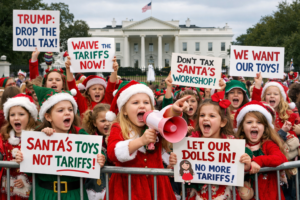 by Pres. Trump? Over 600,000 Ukrainians but under 1000 Palestinians welcomed to Canada! Would Jesus be welcome? Jan. 20, ’26
He also claimed his warnings halted some executions and saved lives, but human rights groups dispute this, reporting that killings and arrests have persisted.
More recently, Trump has escalated rhetoric, calling for regime change and describing Supreme Leader Khamenei as a “sick man” who should be replaced.
He’s mentioned “all options on the table,” including military ones, and the US has bolstered air defenses in the Middle East as a precaution.
However, Iranian officials have fired back, warning that any US action against Khamenei or intervention would trigger severe retaliation, and they’ve accused Trump of inciting the unrest.
On the ground, the protests—which started in late December 2025 over economic collapse—have been met with a brutal response. Reports from groups like Human Rights Activists News Agency estimate over 3,900 verified deaths (possibly higher), thousands arrested, and ongoing executions despite international outcry.
An internet blackout persists in much of the country, making it hard to get real-time info, and authorities have given “rioters” a three-day window to surrender for leniency—though that’s seen as a tactic to quell the movement.
Other countries, like the EU and UK, are imposing sanctions, but there’s no coordinated military aid to the protesters.
Some insiders, including a defected Iranian official, have urged Trump to intervene more directly,
and there’s speculation about options like cyber support or strikes,
but nothing concrete has happened yet. Analysts note that while Trump’s words have raised hopes (and possibly encouraged more protests), the lack of follow-through has left many feeling abandoned.
The situation is fluid and tense, with risks of escalation on all sides. If things change overnight, I’ll check for updates—just let me know if you want more details on any part of this. Hang in there; it’s tough to watch from afar.